ARMERING #2: CONSTANT EAST
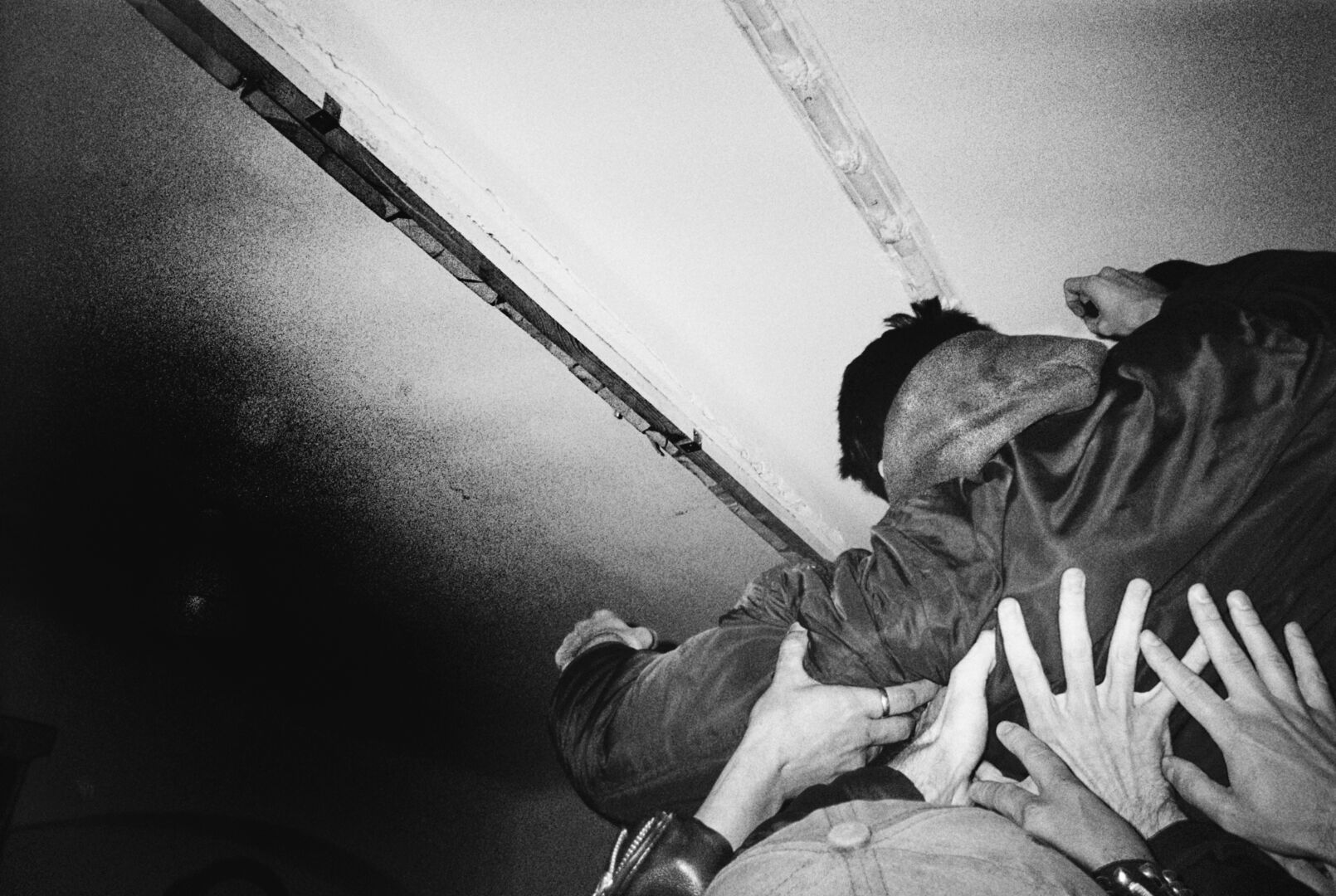
For a few years now, the Constant East collective has brought some of the best punk bands from across the globe for Warsaw-dwellers to see. Among the examples of great bands passing through the Polish capital are NYC’s Haram this coming Sunday, and Muro from Bogotá a few weeks back.
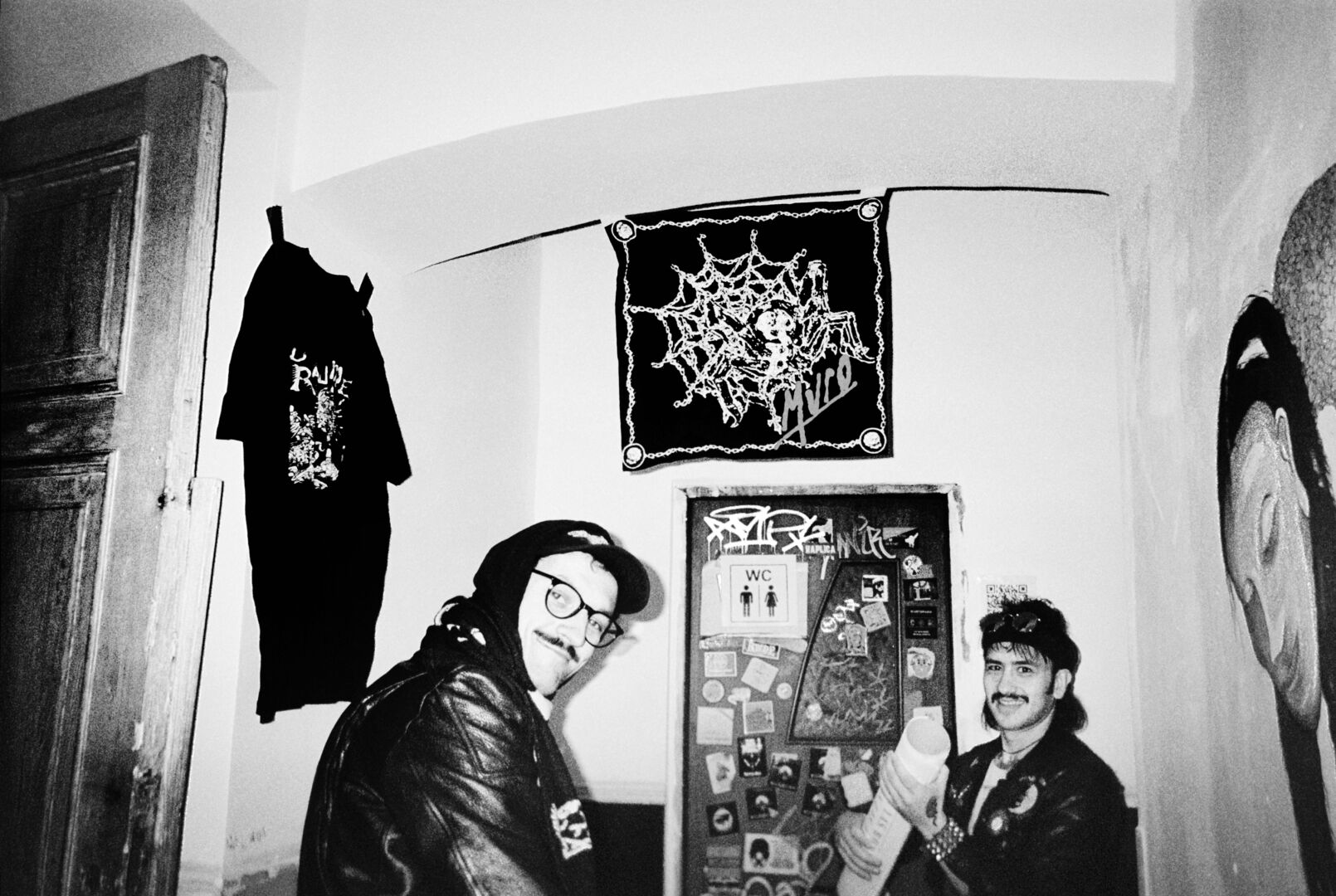
I was there for the latter show, which also included local acts Träume and Syfon. Before things went down, I got a chance to sit down with two of Constant East’s founders: Piotr and Karol. If you’ve taken note of the Polish punk scene already, it’s probably the doing of one of them, either through Piotr’s photo lens or Karol’s posters. Furthermore, they both play in pivotal bands from the local scene: the angsty Träume and the pissed off Pisuar.
In our chat we touched upon the dynamics of post-pandemic DIY punk, Polish politics, the gnawing all-Belarusian hardcore band User, and more.
This interview is taken from the coming second issue of the Armering fanzine. Get in touch here to order.
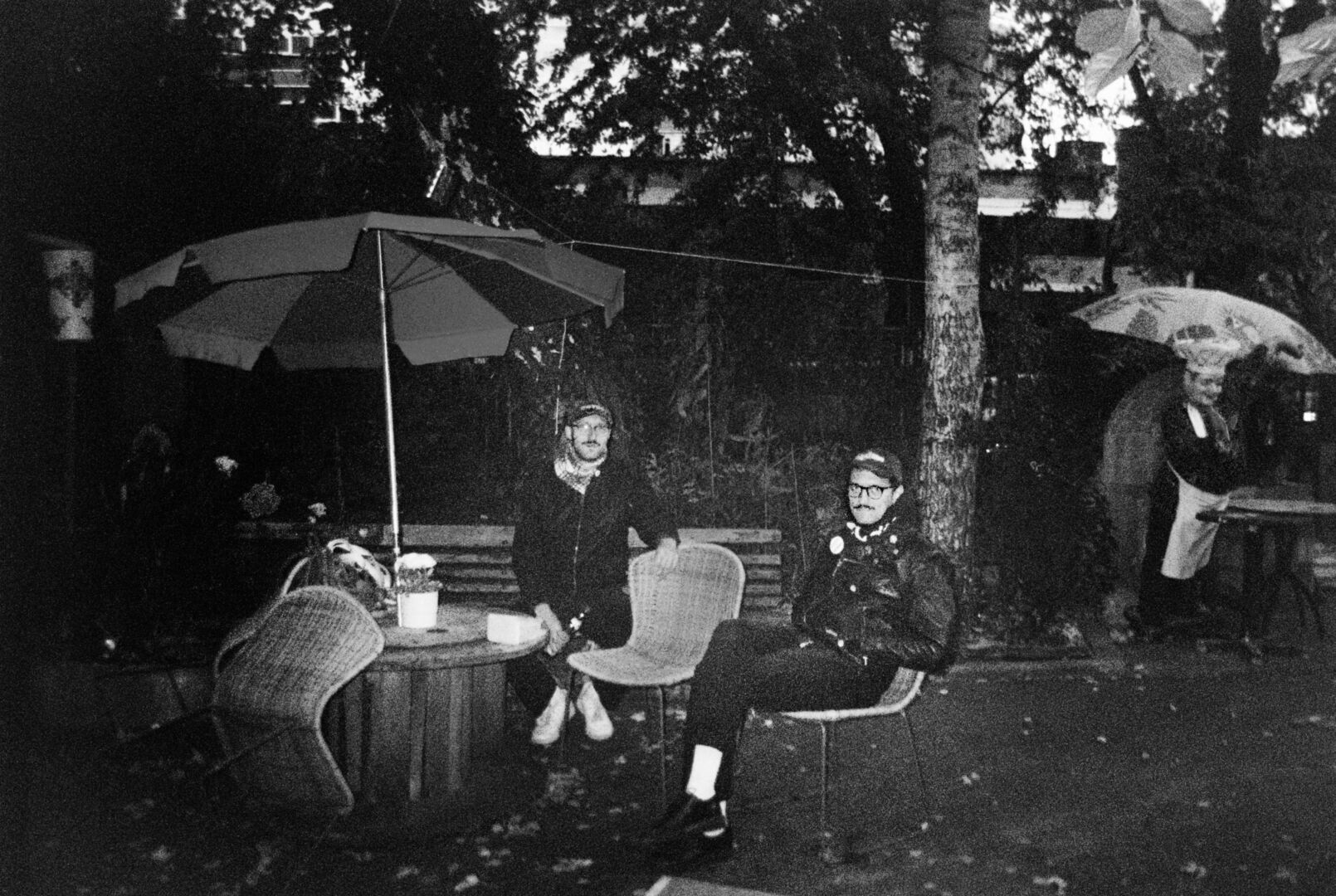
You’ve both been a part of the Constant East booking group since the start.
Karol: Yes, me and Piotr were two of the co-founders. These days it’s essentially two people from Träume – Piotr and Ignacy – and two people from Pisuar, which is me and my bandmate Borys.
What was the background for starting the collective?
Karol: I started booking shows back in 2006. I used to run a DIY venue in Warsaw called Poglos where we used to do a lot of shows. Träume did their first show there around three years ago, for example.
Piotr: I’m not originally from Warsaw. I’m from Torun, a few hours away, and I only moved here seven years ago. I also booked shows of my own at this time, so you can say that me and Karol had gotten some experience and know-how independently of each other. At some point we figured it was a better idea to do something together and put a name on it.
You combined the initiatives, in a way?
Karol: When Poglos ended, it made sense to create a collective with friends instead. It’s easier to do shows together, suddenly you have friends on board who can take the door shift, cook and so on. It’s also more fun to hang out with friends.
Why did Poglos end?
Karol: The city shut it down, demolished the building and put the ground up for sale.
Piotr: It’s a parking lot now.
Not an unusual story, unfortunately.
Piotr: There’s also a sign there that says «private property», which is a lie. It’s still public ground.
Karol: Welcome to Warsaw!
How is the political situation in Poland these days? Internationally, the PiS party drew a lot of attention when they ruled the country for eight years between 2015 and 2022, doing serious damage to the rule of law and establishing a long list of anti-LGBT policies.
Karol: It’s bad, of course. We have a very polarised society. Our new president is a real nazi. He used to be a football hooligan – he knows some really bad people. Society in general is very right-wing, and particularly homophobic and racist. On the other hand, you have a lot more freedom and the streets are a lot safer than in the 90s and early 2000s. Weed, somehow, is legal.
Piotr: Also, Warsaw doesn’t reflect the rest of the country. Like I said I’m from a smaller city, and there people have different struggles.
Karol: The way immigrants are portrayed in the media is also a big problem here, they face a lot of prejudice.
You have a lot of immigrants from your neighboring countries Ukraine and Belarus. One of them at war against an occupier, and another a totalitarian dictatorship. Are immigrants from these communities a part of the punk scene?
Karol: Since Belarus is a dictatorship owned by Russia, a lot of people have fled the country over the years, so Belarusians have been a part of the punk scene for over 20 years already. In my band Pisuar, there’s two people from Belarus, and we have a new amazing hardcore band in Warsaw – User – who are all Belarusian guys. Other bands with migrants from the East are showing up, so the scene is getting bigger and stronger. The Belarusians are really good at maintaining a strong, supportive community, uniting the young and the old punks, because where they come from, they’ve been to hell. They know what’s on the other side.
Since the Poglos days, you’ve mainly put up shows at ADA Pulawska. Tonight’s show is your first one here at Syrena. How long has this place been going?
Karol: Syrena has been around since 2011.
And it’s a squat?
Piotr: It’s a squat.
Karol: In front of the main police station in Warsaw.
How does that work?
Karol: It’s working! I don’t know. It’s a country of contrasts.
Piotr: There’s a lot of buildings downtown that are public, or where ownership is contested or unknown, in a way. During the 90s and early 2000s, after communism, there were a lot of shady dealings when Poland changed to the free market. Syrena is an example where some people just took their chances and occupied a building where the ownership was unclear, and no one has complained, so far.
Karol: There’s not only shows going on here at Syrena. They also have a free shop, food sharing, Alcoholics Anonymous meetings, language classes for immigrants and other forms of political action. So the shows are only one part of it.
Warsaw was almost completely destroyed during World War II. So I guess a lot of ownership records were lost then, which years later led to unruly privatisations in the 90s after communism. How’s it like to book punk shows in Warsaw and Poland in general?
Karol: Warsaw has always had a lot of clubs, venues and DIY spaces in general. It’s never been super hard here. In smaller cities, of course there are less opportunities, but it has never been bad.
Piotr: This month, we’ll be reaching 30 total shows with Constant East. For the last three years, things have been pretty good in the punk scene in general here. When we talk to foreign friends, they admit that it’s the same thing in their scenes. It’s safe to say that there is some kind of DIY punk revival. People, especially more young people, are getting interested in the whole culture of punk.
When I interviewed Wojtek from the collective Spoldzielnia Rewir in Krakow, he mentioned that there’s been a similar boom in Krakow, though the boom there is even more recent – they’ve seen a lot more kids show up only for the past year.
Piotr: There’s definitely similarities. I remember the first shows where we started to see people who we didn’t know, thinking «who the fuck is that?». A lot of youngsters, gothic punks, that kind of weirdness.
Karol: I think it’s connected to bands like Powerplant and Molchat Doma. Bands that went viral and got a huge presence on social media. Something changed with them.
The fact that those bands became big, but maintained a link to the underground, made it possible for a lot of people to dig deeper into DIY culture.
Piotr: Some people have also caught on to punk after being exposed to it at spaces like here at Syrena. They were initially interested in DIY and leftist schools of thought, and not necessarily into punk music. And then, experiencing the music at spaces like this one became a trigger for them to dig deeper. People have come up to me after shows and been like «I had no idea about you or that there were Polish bands like this.»
How long have you been playing with Träume, Piotr? You mentioned the first show being about three years ago.
Piotr: Träume was not my first band, I’ve been playing music as long as I can remember. But we started Träume about four years ago, and it’s been a lot of fun to get the chance to play a lot outside of Poland. We did a European tour with Pisuar last November.
Karol: That tour also stopped in Oslo. It was a Monday, like today, and it was quite crowded, like today!
Do you feel like the punk scene has become more internationally connected lately?
Piotr: I wouldn’t say it’s a recent thing. It’s been like that for as long as I can remember.
Karol: Instagram has made it easier. If the Insta story shows a packed, good show, bands see that and realise that Warsaw would be a good stop on their next tour. When I started booking almost 20 years ago, I booked just as good bands as I do now, in my opinion. But on a weekday, 50 people would show up, and with that kind of turnout there’s no way you can pay bands properly. It’s very good to be in a position where you can invite a band like Muro from Colombia – or a band from anywhere, really – and it actually makes sense money-wise.
Piotr: Warsaw is not really on the way anywhere – the next stop is Belarus, which is essentially Russia – so it has to make sense money-wise to play here. That’s why it’s good to see that things work these days.
Oslo is in the same boat as you guys there. It’s far away from everything and not en route to anything. Even though the scenes in Bergen, Stavanger and Trondheim have started coming around lately, punk-wise.
Karol: The new highways also help. It used to take ten hours to drive to Berlin. Now it’s six or seven.
Muro, Haram, Golpe – you have some real jewels in your concert roster so far. What’s some of the favorite shows you’ve put up?
Karol: It’s a boring answer, but for me it’s every concert. We all have our favorite bands, but we’re doing it together, so as long as one of us is passionate about a band, we’ll put them up. The idea is to create a complete experience. We’ve been in the scene for years, and for many of those years we played a lot of random shows. So now we’re in a position where it has to be something we like and care about, and that fits the Constant East profile and mindset.
Piotr: It’s our free time, so we have to be passionate about the bands for the shows to turn out good.
Karol: With experience, we also have a better idea of knowing what we can and can’t do. Like Piotr said, we’ve done about 30 Constant East shows so far. We have a pretty good idea of what kind of a crowd a band will draw on any given day of the week. So that leaves us in a position where we can say «OK, fuck it, let’s fly in Golpe from Italy and see how it goes.» And it’s going pretty well!